Press Brake Tooling Guide for Aluminum and Stainless Steel
How to Choose the Right Dies for Aluminum Sheet Metal Forming and Stainless Steel Bending
Many customers face similar problems when bending stainless steel or aluminum sheets: unstable angles, strong springback, surface marks, scratches on visible parts, or different bending results when using the same tooling on different materials.
These problems are not always caused by the press brake machine. In many cases, the real issue is whether the press brake tooling is suitable for the material, thickness, inside radius, bending length, and surface requirement.
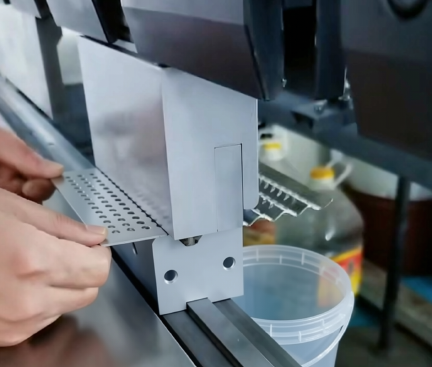
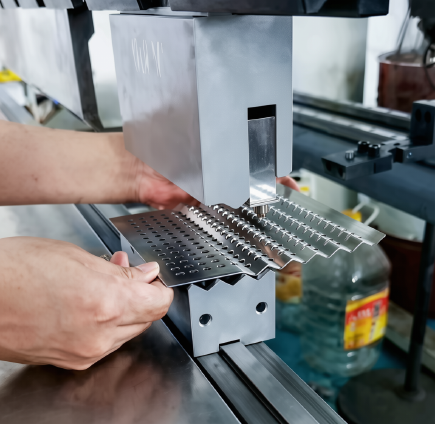
For aluminum sheet metal forming, tooling selection should consider material grade, surface finish, bending radius, and part appearance requirements.
Confirm Material and Part Requirements First
The first step in choosing press brake tooling is to clearly understand what material you are forming, what shape you need, and what quality standard the finished part must meet.
Only providing “2 mm aluminum sheet” or “3 mm stainless steel sheet” is usually not enough for tooling selection. Even with the same thickness, different material grades, supply conditions, and part structures may require different tooling solutions.
| Information | Details to Confirm |
|---|---|
| Material | Stainless steel or aluminum grade, material condition, and material data if needed |
| Thickness | Nominal thickness, actual thickness, and tolerance |
| Surface | Brushed, mirror, coated, film-protected surface, and visible surface position |
| Bending Size | Bending length, target angle, inside radius, and minimum flange length |
| Part Structure | Hole position, slot position, nearby bends, bending sequence, and space limitations |
| Inspection Standard | Angle tolerance, dimensional tolerance, acceptable marks, and scratch requirements |
For aluminum sheets, the alloy grade and condition should be clearly provided. Different aluminum materials should not be treated as the same. For stainless steel, the grade and cold-worked condition should also be confirmed.
Material thickness is only the starting point. Complete part requirements are the basis for choosing the correct tooling solution.
Why Does Stainless Steel Spring Back More?
Springback happens when the material elastically recovers after bending force is released. Stainless steel usually has stronger springback because of its strength, grade, forming condition, and bending geometry.
There is no single compensation angle that works for all stainless steel parts. In real production, the final bending angle should be checked by trial bending, and the die angle should allow enough compensation space.
When the material batch, grade, or condition changes, the bending result should be checked again.
Why Does Aluminum Sheet Get Press Marks Easily?
Some aluminum materials are more sensitive to local contact pressure. If the tooling surface has dirt, particles, rough contact areas, or unsuitable support conditions, visible marks may appear more easily.
However, not all aluminum sheets behave the same. Different grades and temper conditions can show different forming results.
Before choosing a solution, it is important to check where the mark appears and what the mark looks like. Then you can decide whether the issue should be solved by tooling cleaning, surface protection, or die structure adjustment.
Can Stainless Steel and Aluminum Use the Same Dies?
In some simple bending applications, stainless steel and aluminum can use the same tooling if the material, part size, load, clamping interface, and surface requirements are all acceptable.
But using the same tooling does not mean using the same bending parameters.
Before changing materials, customers should check the tooling contact surface, V opening, punch radius, and required tonnage. The bending angle, inside radius, and surface quality should be verified separately.
When Should You Contact Press Brake Dies Manufacturers?
When standard tooling cannot meet the part shape, forming space, inside radius, surface requirement, or batch production stability, it may be time to contact press brake dies manufacturers for a custom tooling solution.
This is especially important for stainless steel visible parts, aluminum appearance parts, complex sheet metal components, and special forming parts.
For stainless steel parts with strict inside radius, forming accuracy, or surface requirements, a custom stainless steel sheet forming die may be a better choice than standard tooling.
Shengpu Tooling Solution
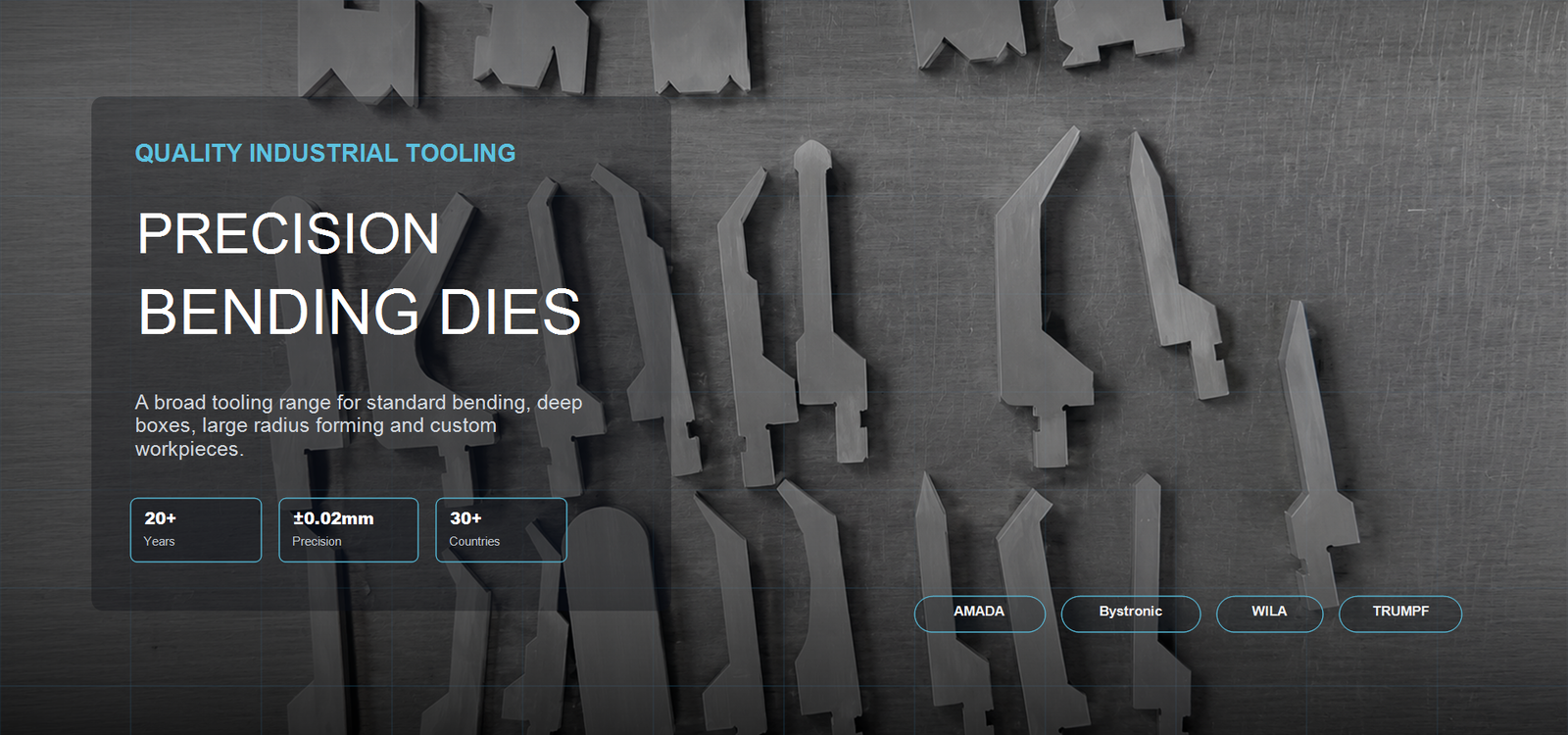
Shengpu Tooling provides steel press brake tooling and custom forming dies for stainless steel and aluminum sheet bending applications.
We can review your drawing, material type, material thickness, bending angle, inside radius, surface requirement, and press brake machine information. Based on these details, we help recommend a suitable tooling solution.
Contact Shengpu Tooling
If you are bending stainless steel or aluminum sheets, you can send us your material, thickness, bending angle, inside radius, and product drawing.
Shengpu Tooling can help you choose suitable steel press brake tooling or provide a custom forming die solution.
WhatsApp Business: +86 15155556086
Email: leah@sinobend.com
Website: shengputooling.com
No responses yet